

KATA PROJECT:
New Clean Energy Solutions for Greener Shipping and Steel
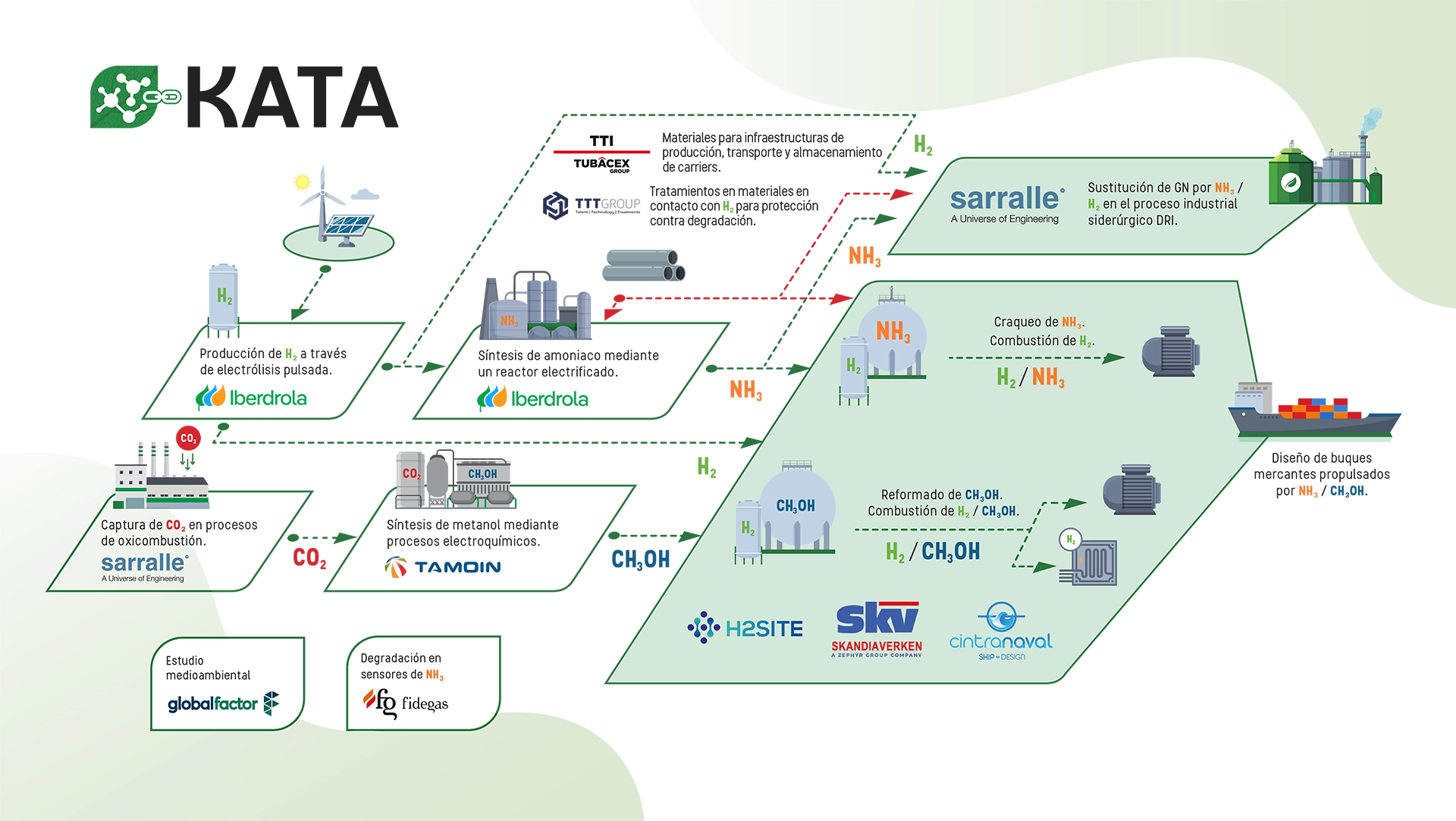
A Basque consortium, led by Iberdrola, has launched the KATA project, an ambitious R&D initiative that will develop new technologies across the entire value chain of renewable hydrogen carriers, from their generation to final use, with the aim of accelerating the energy transition in maritime transport and the steel industry.
The consortium, coordinated by Iberdrola, is made up of Cintranaval, Fidegas, Global Factor, H2Site, Sarmel, SKV, Tamoin, TTT and Tubacex, with the participation of the University of the Basque Country (EHU), Tecnalia and Tubacex Innovación as agents of the Basque Science, Technology and Innovation Network (RVCTI).
Within the KATA project, SKV will research in development of solutions for marine applications of hydrogen and hydrogen carriers in internal combustion engines for marine applications and power generation.
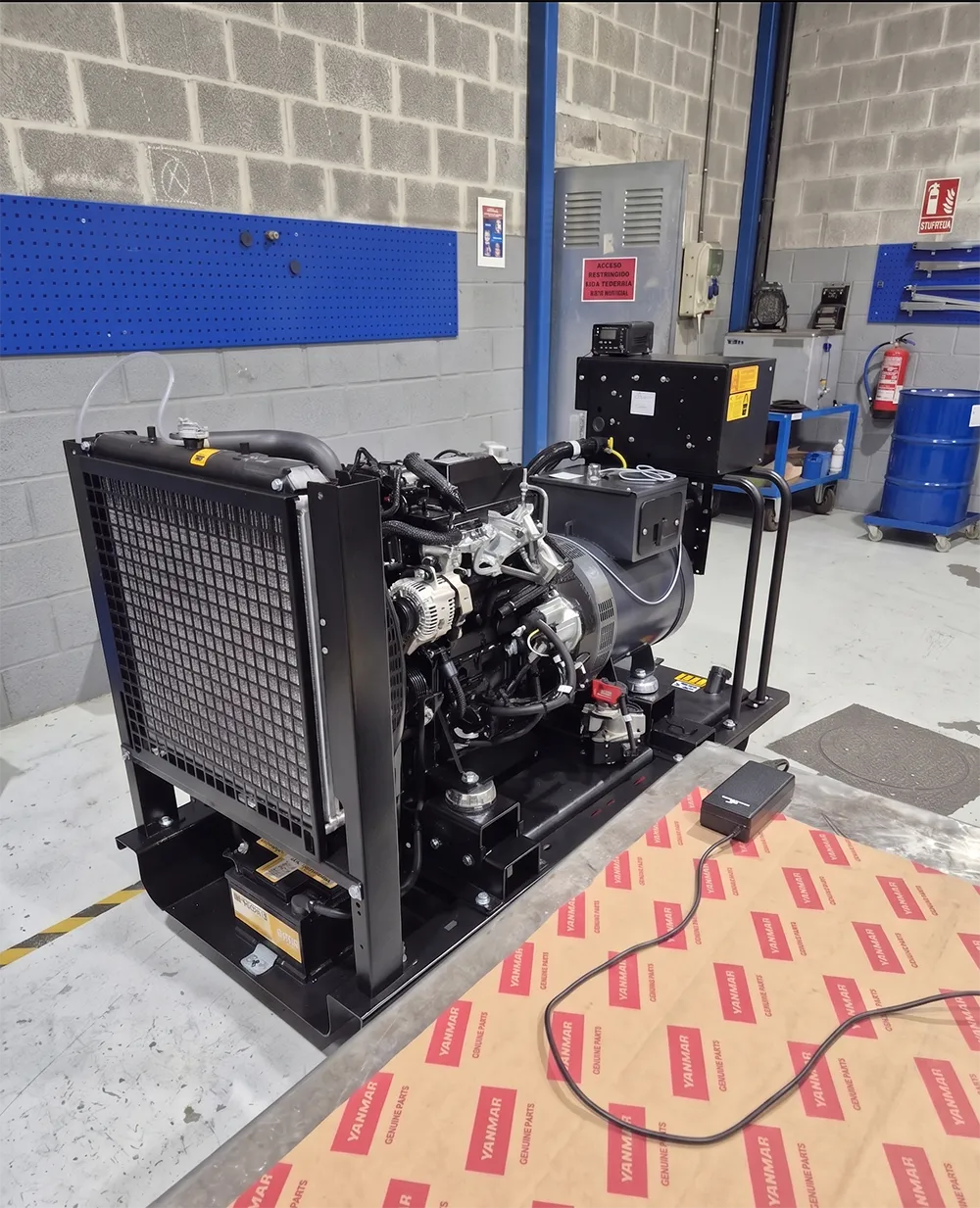
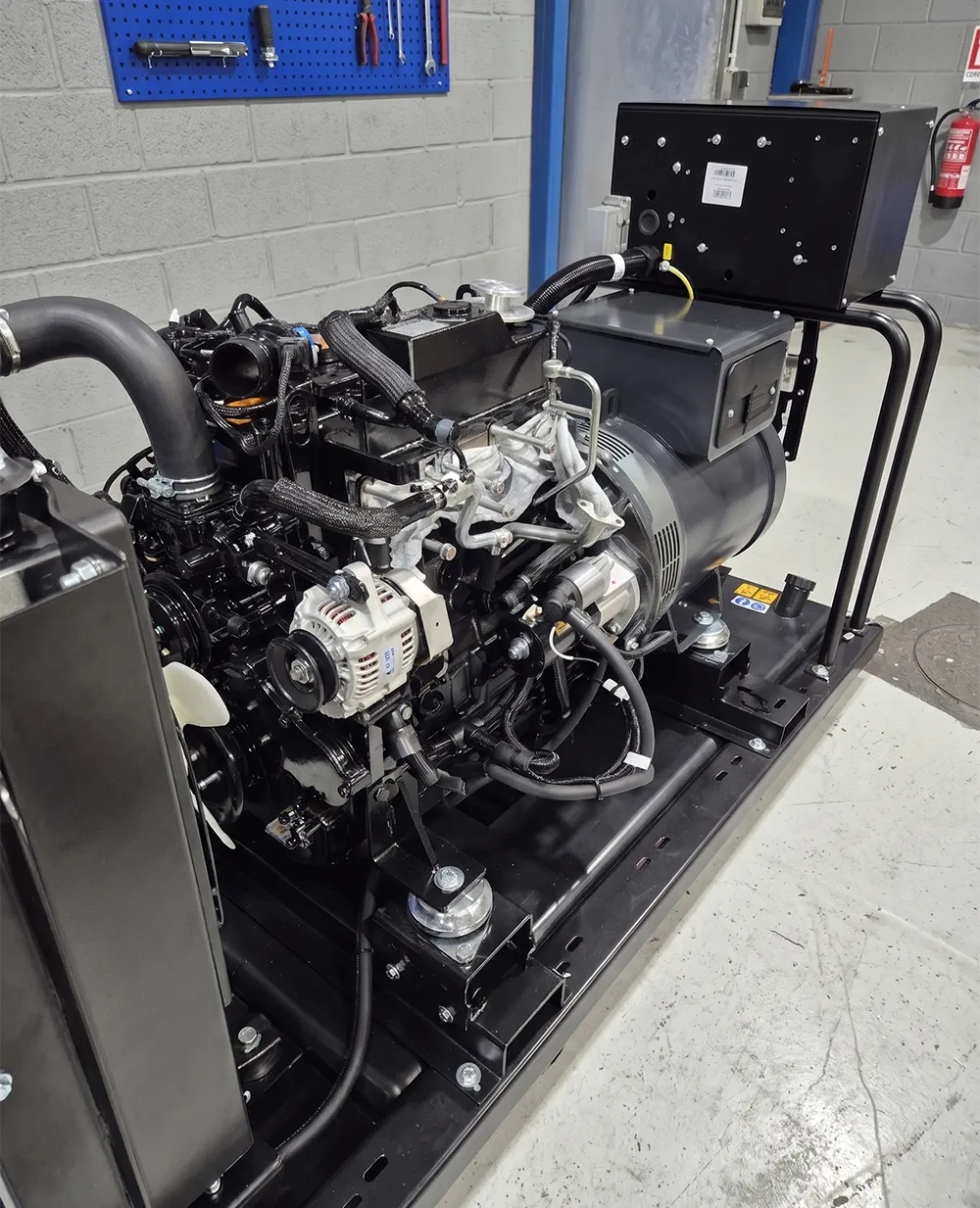
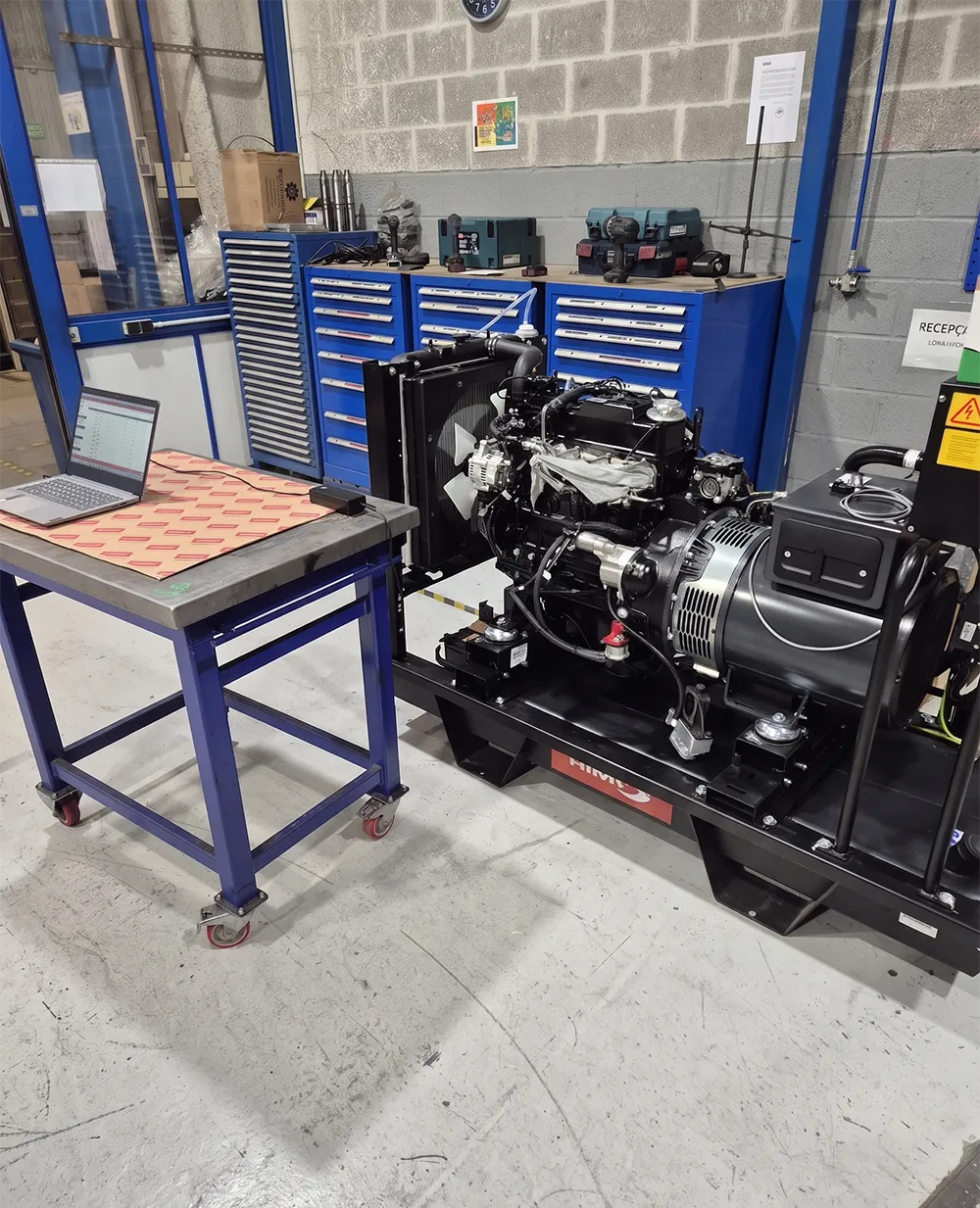
A diesel generator will be modified to burn hydrogen in dual fuel cycle in a long endurance test to evaluate the performance of the different components in operation with hydrogen as fuels.
The original diesel engine will be modified with a new suction manifold including port fuel injection (PFI) hydrogen injectors and new electronic control unit (ECU) to drive both diesel and hydrogen injectors in dual fuel cycle. The engine will be tested and tuned in laboratory for an optimal performance in dual fuel cycle while keeping the NOx emissions under allowable limits according to the IMO NOx regulations. The engine tuning will be carried out via optimization of hydrogen and diesel injection timings and pressures. Different exhaust gas recirculation (EGR) levels will be evaluated to have NOx emissions under control without jeopardizing engine performance and smoke emissions.
Once the engine is tested and tuned in the laboratory, it will be tested in a long endurance test in a consortium partner’s premises. There the engine will be coupled with an ammonia cracker producing hydrogen to be used by the engine in dual fuel cycle. An ad hoc container with all the required auxiliaries will be built to be moved to the hydrogen supply point converted into a portable hydrogen engine test bench.
Engine emissions, efficiency and combustion performance will be monitored during the endurance test to evaluate the life expectancy and the aging of the different components with the hours of operation under very demanding conditions.
The research will also cover the option of using hydrogen in different carriers. Methanol implementation in medium speed engines will be also investigated using computer fluid dynamics (CFD) simulations. A representative engine of the portfolio of engines covered by SKV GROUP will be used as reference. In the selected medium speed engine different methanol supply strategies into the cylinder will be studied in dual fuel combustion models, PFI with diesel direct injection and direct injection of emulsified diesel and methanol. The results of the study will be the basis for future experimental works in actual engine.
This research project is part of the ZEPHYR GROUP strategy in the path of developing retrofit solutions for greenhouse gas reduction from internal combustion engines in marine and power generation applications.
The KATA project, funded by the Basque Government’s Hazitek program, will run for three years (2025–2027) and positions Euskadi at the European forefront of the development of hydrogen carriers as pillars of the new decarbonized economy. The funding has been received from the Basque Government Department of Industry, Energy Transition and Sustainability and European Union funds (FEDER).